


This company has no active jobs
0 Review
Rate This Company ( No reviews yet )
About Us
NHS: Belonging in White Corridors
In the sterile corridors of Birmingham Women’s and Children’s NHS Foundation Trust, a young man named James Stokes carries himself with the measured poise of someone who has found his place. His polished footwear move with deliberate precision as he greets colleagues—some by name, others with the familiar currency of a “good morning.”

James carries his identification not merely as an employee badge but as a testament of inclusion. It sits against a neatly presented outfit that gives no indication of the tumultuous journey that preceded his arrival.
What distinguishes James from many of his colleagues is not obvious to the casual observer. His demeanor gives away nothing of the fact that he was among the first beneficiaries of the NHS Universal Family Programme—an effort created purposefully for young people who have been through the care system.
“The Programme embraced me when I needed it most,” James reflects, his voice controlled but tinged with emotion. His observation encapsulates the essence of a programme that strives to transform how the vast healthcare system views care leavers—those frequently marginalized young people aged 16-25 who have transitioned from the care system.
The statistics paint a stark picture. Care leavers commonly experience poorer mental health outcomes, economic uncertainty, housing precarity, and lower academic success compared to their contemporaries. Beneath these impersonal figures are individual journeys of young people who have navigated a system that, despite best intentions, regularly misses the mark in offering the nurturing environment that molds most young lives.
The NHS Universal Family Programme, launched in January 2023 following NHS England’s promise to the Care Leaver Covenant, embodies a profound shift in institutional thinking. At its heart, it recognizes that the complete state and civil society should function as a “universal family” for those who haven’t experienced the security of a typical domestic environment.
Ten pathfinder integrated care boards across England have blazed the trail, creating frameworks that reconceptualize how the NHS—one of Europe’s largest employers—can open its doors to care leavers.
The Programme is detailed in its approach, beginning with detailed evaluations of existing policies, forming oversight mechanisms, and obtaining senior buy-in. It acknowledges that successful integration requires more than lofty goals—it demands practical measures.
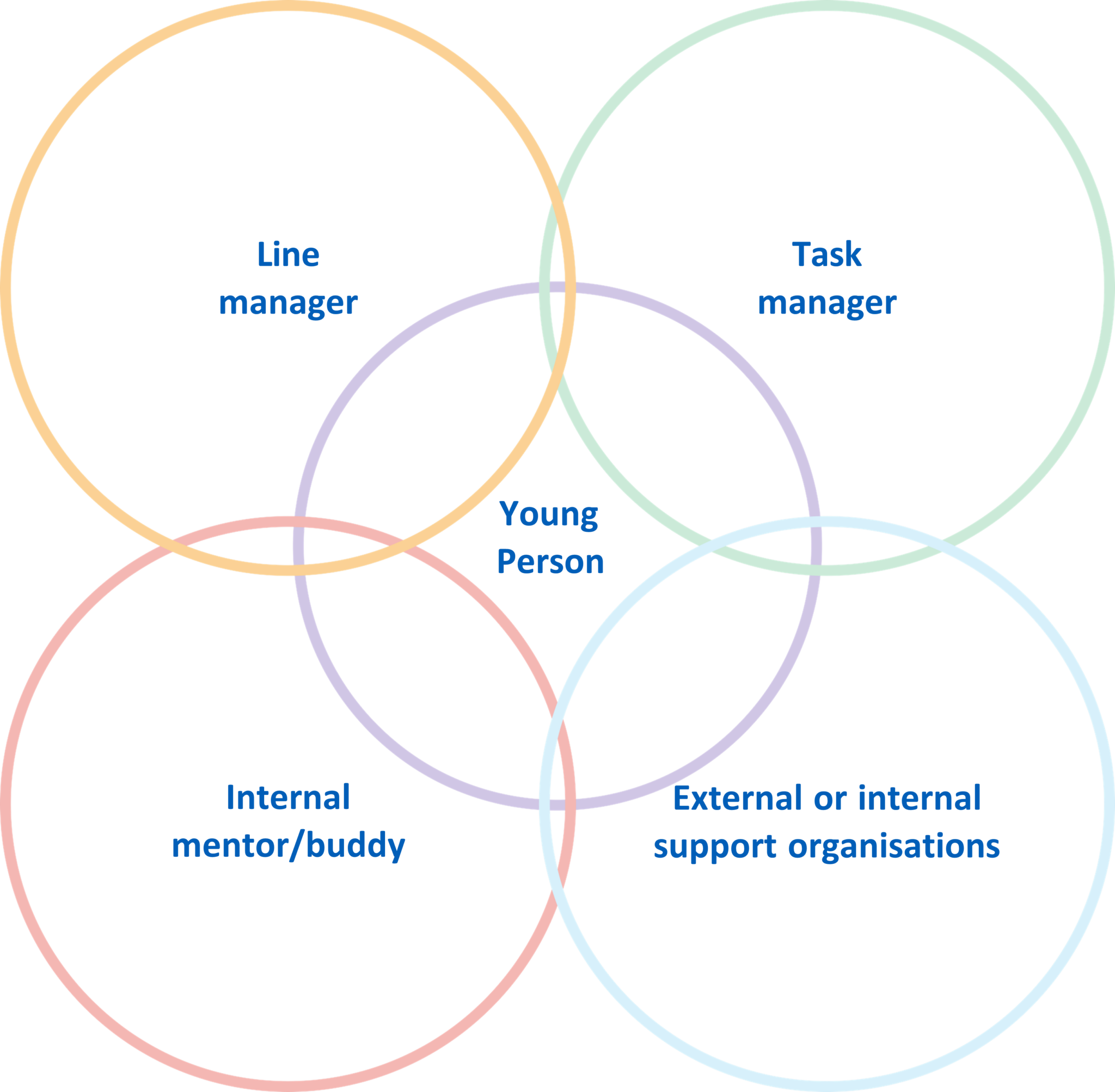
In NHS Birmingham and Solihull ICB, where James began his journey, they’ve established a reliable information exchange with representatives who can offer assistance and counsel on wellbeing, HR matters, recruitment, and inclusivity efforts.
The traditional NHS recruitment process—rigid and potentially intimidating—has been intentionally adjusted. Job advertisements now focus on attitudinal traits rather than long lists of credentials. Applications have been redesigned to address the specific obstacles care leavers might experience—from lacking professional references to facing barriers to internet access.
Maybe most importantly, the Programme understands that starting a job can create specific difficulties for care leavers who may be handling self-sufficiency without the backup of family resources. Matters like commuting fees, identification documents, and bank accounts—assumed basic by many—can become major obstacles.
The beauty of the Programme lies in its meticulous consideration—from outlining compensation information to helping with commuting costs until that crucial first payday. Even seemingly minor aspects like coffee breaks and office etiquette are carefully explained.
For James, whose professional path has “changed” his life, the Programme delivered more than a job. It offered him a feeling of connection—that ineffable quality that grows when someone feels valued not despite their background but because their distinct perspective enhances the organization.
“Working for the NHS isn’t just about doctors and nurses,” James comments, his expression revealing the quiet pride of someone who has discovered belonging. “It’s about a community of different jobs and roles, a group of people who truly matter.”
The NHS Universal Family Programme embodies more than an job scheme. It exists as a strong assertion that institutions can change to embrace those who have known different challenges. In doing so, they not only change personal trajectories but enhance their operations through the special insights that care leavers bring to the table.
As James navigates his workplace, his participation subtly proves that with the right support, care leavers can flourish in environments once thought inaccessible. The arm that the NHS has extended through this Programme symbolizes not charity but acknowledgment of hidden abilities and the essential fact that everyone deserves a family that supports their growth.